
-
100
-
2025-08-13 14:53:44
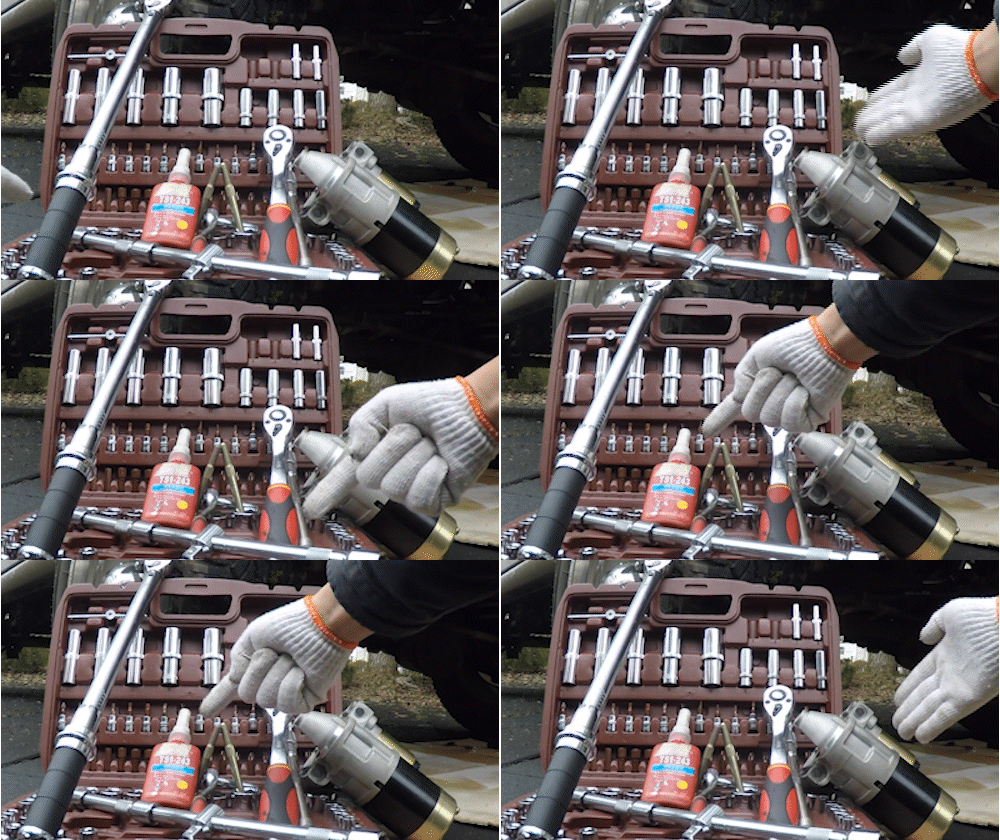
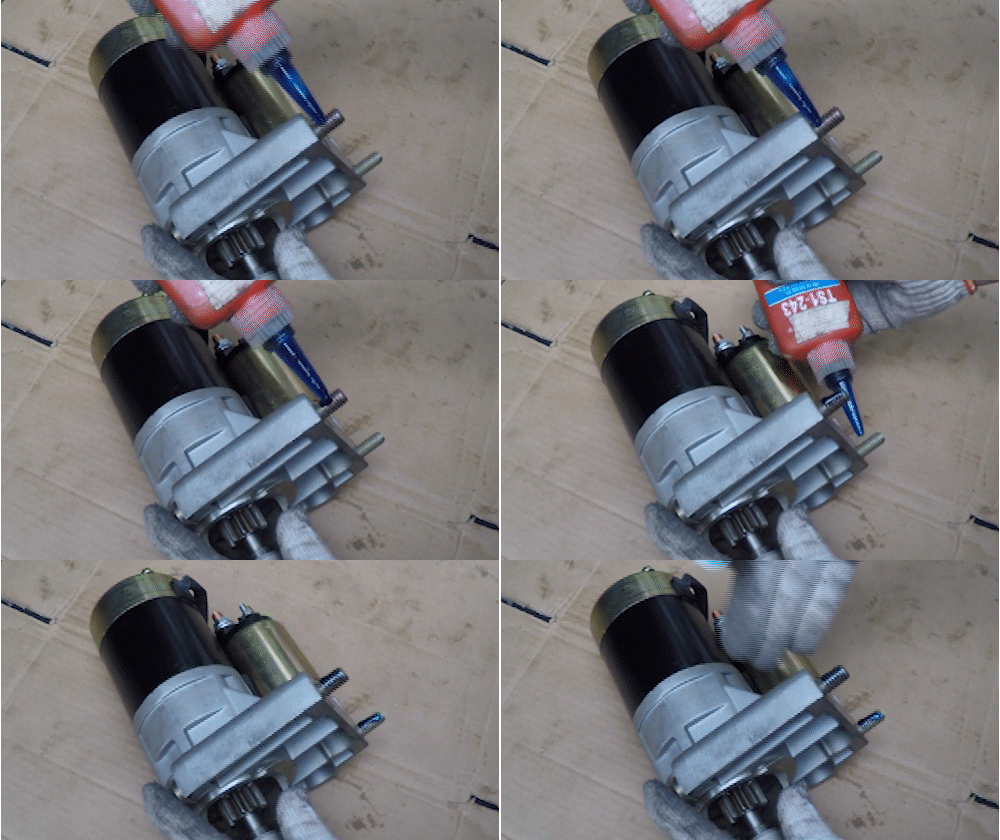
First, you need to prepare some simple tools, including a wheel wrench, torque wrench, various sockets, extension bars, thread sealant, and a brand-new starter motor. Let's get started.
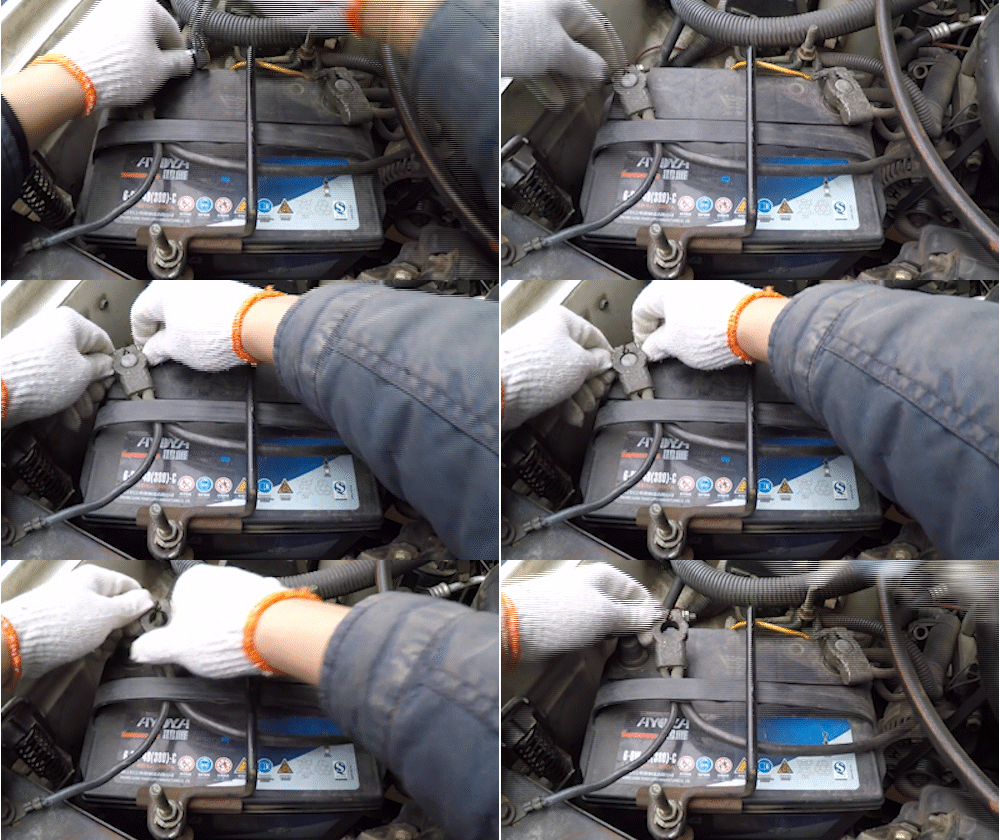
Step 1: Disconnect the negative terminal and ensure proper insulation. If you don't want to get electrocuted while removing the starter motor under the car, do not skip this step.
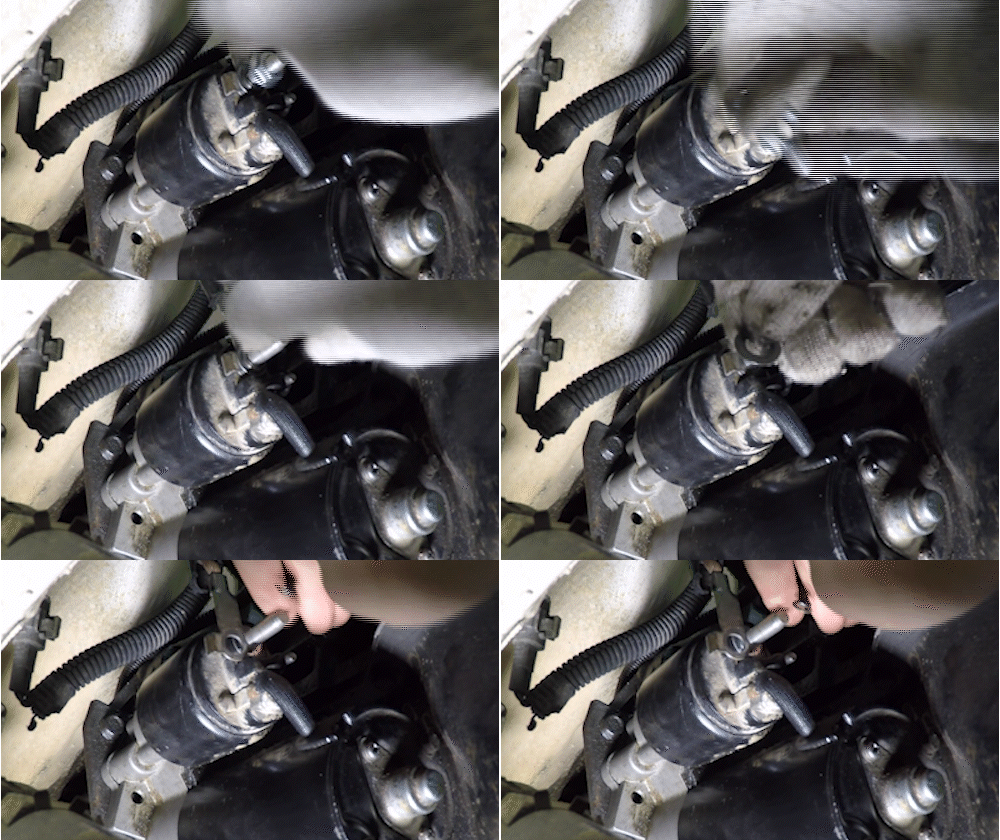
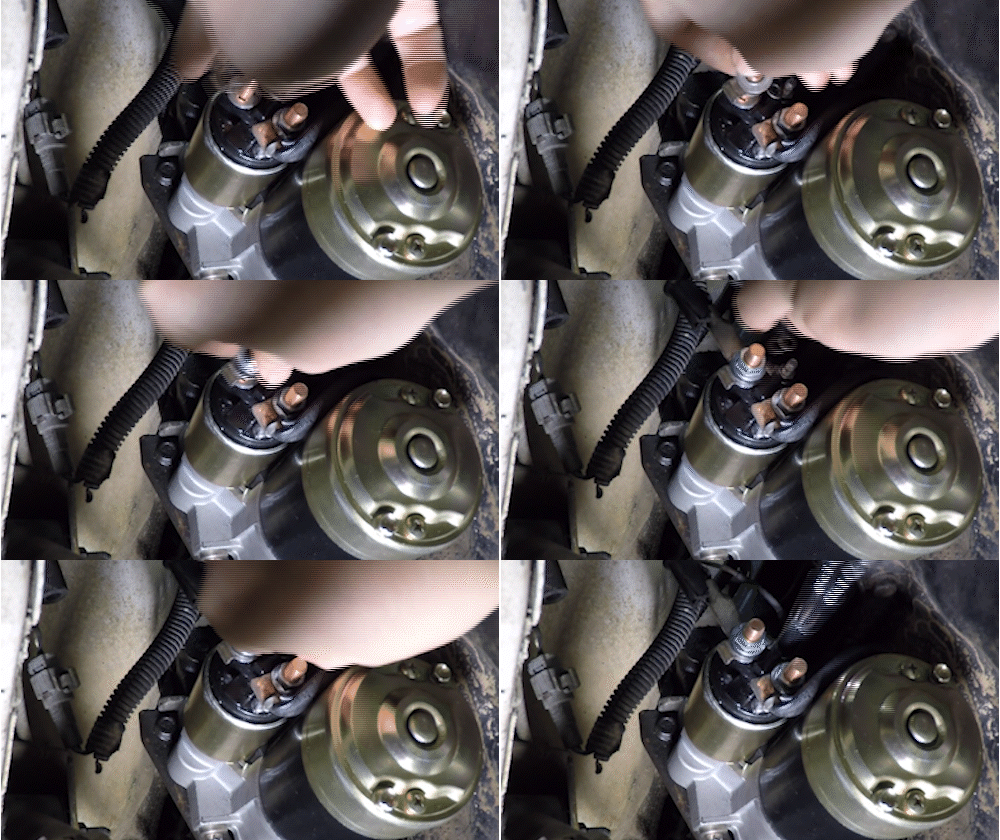
Step 2, disconnect the starter motor’s wiring harness. First, locate the starter motor, which is typically positioned between the engine and transmission. The power cables are connected here, specifically this cable and the inner cable. Use an extension bar with a socket to remove this cable first. Note that there are several washers on top; do not forget to remove them. Once removed, you can disconnect this cable and then remove the inner, thinner cable. This completes the removal of the starter motor’s power cables.
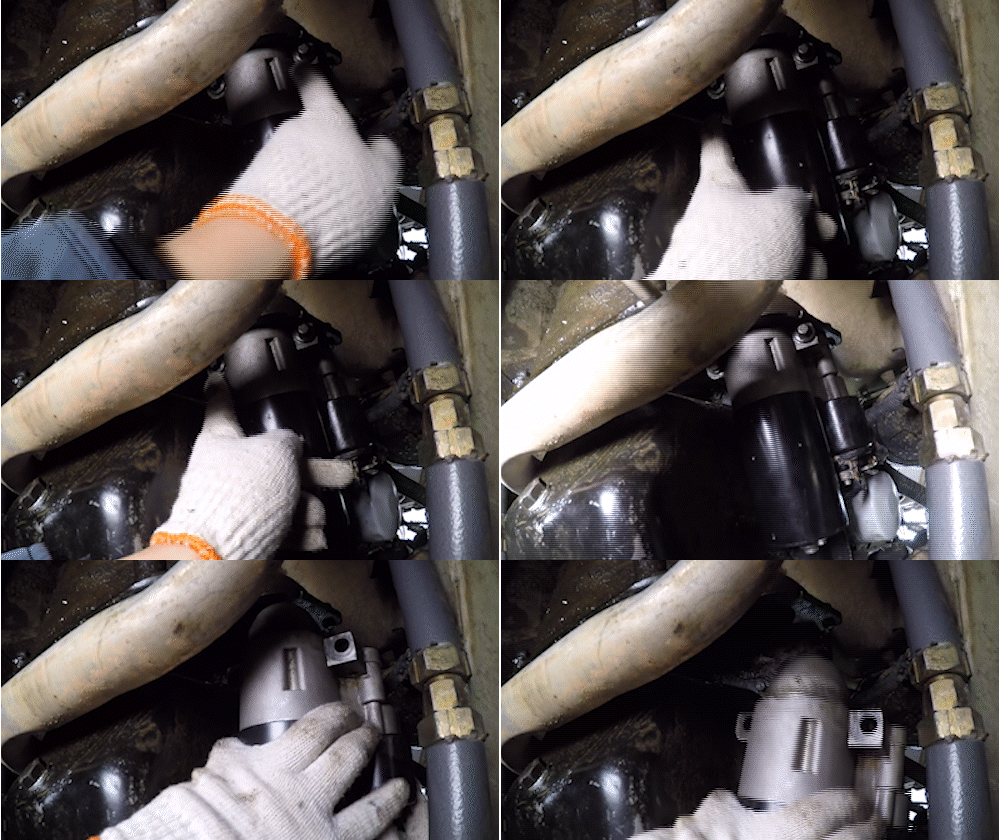
Step 3: Remove the starter motor's mounting screws. There is one screw here and another one inside. We can start by removing the inner screw. Use a socket wrench with an extension rod to loosen this screw. Once loosened, you will notice the starter motor has become loose. Therefore, be cautious when removing this screw, as the entire starter motor will begin to drop once removed. Ensure you support it with your hand during removal.
After removing it, we can see the reason why the starter motor cannot start the engine. It is quite obvious that this bearing has become severely loose, and the seal ring inside has fallen off by half, causing the bearing to become loose and move around inside. This causes the small gear inside to pop out and move around as well, preventing it from meshing properly with the engine's flywheel, naturally making it impossible to start the engine. Looking at the newly purchased starter motor, its bearing is very tight, with good sealing and no loosening at all.
Step 5: Reinstall the battery's negative terminal. Then start the car.